

What to Do After Being Involved in a Motorcycle Accident
Motorcycle accidents, while relatively common, can be life-altering events with significant physical and financial consequences. Unlike car drivers, motorcyclists are more exposed, making them more vulnerable in the event of a collision. Understanding the array of steps to undertake following an accident is crucial not only for immediate safety but also for legal and long-term health perspectives. Knowing what actions to take, such as contacting a motorcycle injury attorney, can mitigate the negative aftermath of this kind of incident. This article explores the essential steps to follow after being involved in a motorcycle accident.
Ensure Immediate Safety
The moment following a motorcycle accident can be overwhelming, but ensuring your immediate safety is paramount. First, take a deep breath and assess your surroundings. Are you in a busy street or a remote location? Identifying your environment helps you plan your next move strategically. If you're on a busy road, consider moving to the side to avoid further hazards.
Moving to a safe location is imperative to prevent additional injuries. If you're able to, carefully move yourself and your motorcycle away from oncoming traffic. This helps to prevent secondary accidents and ensures both your safety and that of others. Remember to turn on your hazard lights if they are operational. This alerts other motorists to your presence and the potential danger on the roadway.
Securing the scene post-accident also involves administering first aid, if possible. This could mean applying pressure to any bleeding wounds or finding a comfortable position if you're injured. Basic first aid knowledge can be a lifesaver in these situations. Additionally, if other motorists or pedestrians are present, ask them to help direct traffic or call for assistance until emergency services arrive.
Contact Emergency Services
The next crucial step is to contact emergency services. Call 911 immediately to report the accident. Giving accurate information is of utmost importance. Clearly state your location, the nature of the accident, and any injuries that you or others may have sustained. Providing this vital information helps emergency responders to assess the situation and prepare accordingly before arriving at the scene.
Once on the line with a dispatcher, carefully follow their instructions. These professionals are trained to assist in emergencies and can provide guidance on what to do while waiting for help. They may instruct you to manage specific injuries, guide you to a safer location, or offer ways to handle the situation until response teams arrive. Your role is to remain calm and cooperative to ensure the well-being of everyone involved.
Staying on the line until instructed to hang up is another crucial aspect when contacting emergency services. Dispatchers might require additional details or information as the situation evolves. Reporting all observed injuries and hazards onsite ensures that responders are adequately prepared. Keeping communication lines open ensures that all parties have the information needed to address the incident efficiently and effectively. Your clear communication can make a significant difference in the outcome of the situation.
Document the Accident
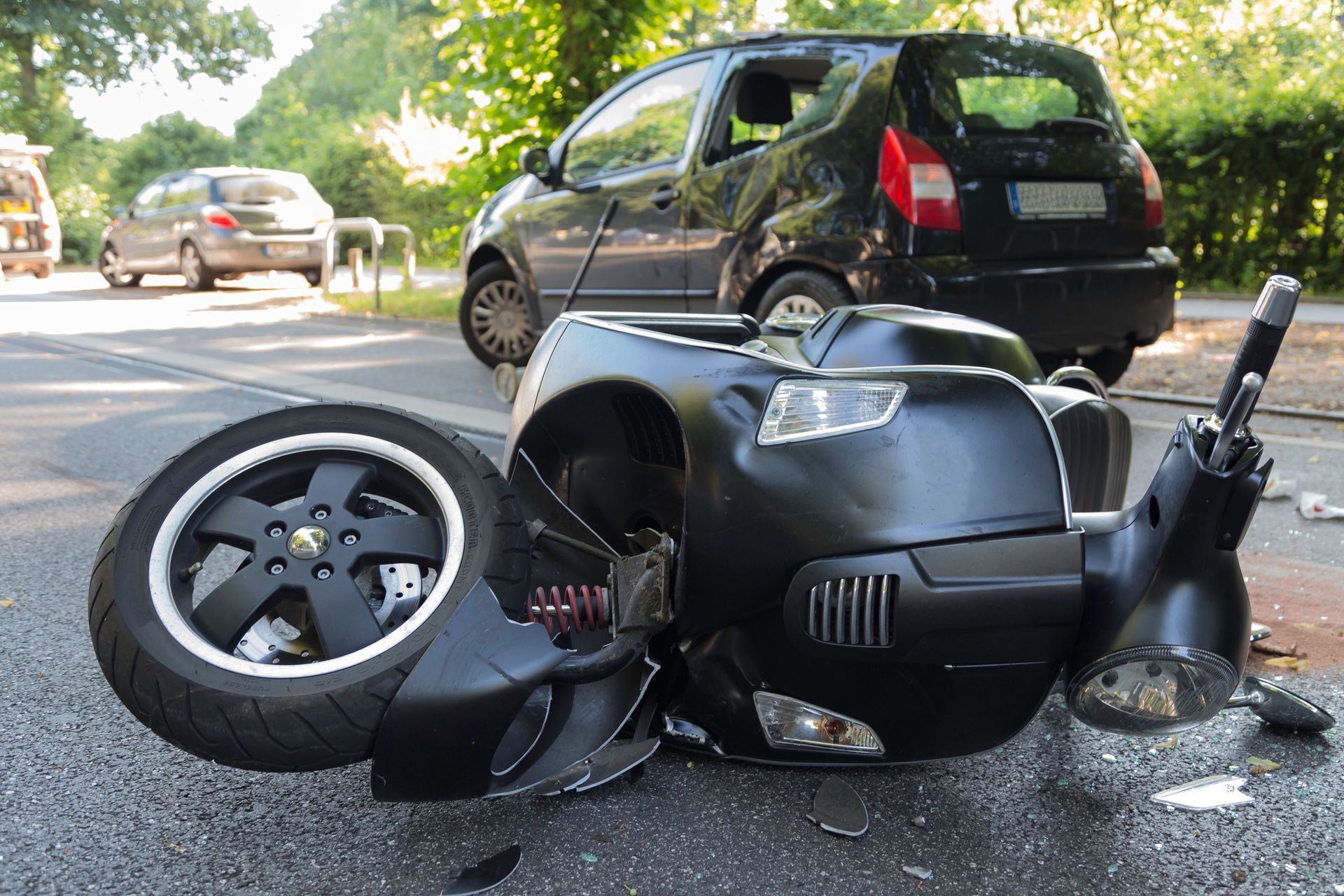
Documenting the accident plays a pivotal role in any potential legal actions or insurance claims. Start by taking photographs of the scene, focusing on various angles that capture damage to both your motorcycle and other vehicles involved. Including surrounding conditions, such as road signs, traffic lights, weather conditions, and any skid marks, can provide crucial context. Detailed photographic evidence is invaluable for insurers and in legal settings.
Recording witness statements is another critical step in documenting the accident. If there are bystanders, approach them politely and ask for their account of what happened. Also, request their contact information in case you need a statement later. Independent witness testimonies can offer impartial insights, especially if there are disputes over how the accident occurred. Exchange necessary information with other parties involved, like drivers or passengers.
Note down specific accident details, including the time, date, and exact location. If you have a smartphone, use it to jot down observations or even record audio notes while the memory is still fresh. Preserve any physical evidence, such as damaged clothing or protective gear, as these can be relevant in claims or legal cases. Your documentation acts as a factual record that can significantly influence resolution and accountability in post-accident proceedings.
Seek Medical Attention
Seeking medical attention promptly after a motorcycle accident is crucial, even if you don't immediately feel injured. According to Zipdo, wearing a modern motorcycle helmet is essential as it lowers the risk of fatal head injuries by 37% and reduces the likelihood of brain injuries by 48%. Adrenaline can mask pain, and some injuries, like concussions or internal injuries, may not exhibit symptoms right away. Visiting a healthcare professional ensures that any injuries are identified and treated early. A thorough medical examination can also guide your recovery process and prevent complications down the line.
Following medical advice is essential for your well-being. Whether it requires specific medications, physical therapy, or follow-up appointments, adhering to your healthcare professional's recommendations contributes significantly to your recovery. Keep meticulous records of all treatments, prescriptions, and medical visits. These records will be crucial for insurance claims or legal actions, providing documented proof of injuries and their treatment.
Monitoring for delayed symptoms is equally important. Issues such as headaches, dizziness, or persistent pain can develop days after the accident. Be vigilant about your health and consult your doctor if new symptoms arise. Consider mental health support, as accidents can be traumatic experiences that affect emotional well-being. Addressing both physical and mental health is integral to a comprehensive recovery.
Notify Your Insurance Company
Promptly notifying your insurance company about the accident is a necessary step in the post-accident process. Get in touch with your insurer as soon as it's feasible, providing them with all pertinent details regarding the incident. This includes when and where the accident occurred, a description of the involved vehicles, and the contact information of other parties. Accuracy is vital as any discrepancies can delay or complicate your claims process.
Discussing your coverage and potential benefits with your insurance provider is important for understanding your policy's scope. Ask detailed questions about what is covered under your plan, including medical expenses, motorcycle repairs, or potential rental vehicle coverage. This conversation will assist in managing your expectations and financial responsibilities. Having clarity on insurance aspects enables informed decisions without unexpected surprises.
Comprehending the claims process is another essential element when dealing with your insurer. Understand what documentation is required and familiarize yourself with any statutory deadlines. Regularly following up on your claim's status keeps you in the loop and demonstrates diligence. An active approach allows for a timely resolution and can uncover any emerging issues that need tackling sooner rather than later.
Consult With a Legal Professional
Consulting with a motorcycle injury attorney is advisable, especially if you face significant injuries or potential legal implications from the accident. Start by researching attorneys specializing in motorcycle accidents, as they will have the appropriate experience and expertise. They can offer legal advice tailored to your circumstances. Engaging a specialized motorcycle injury attorney can protect your rights and improve your chances of a favorable outcome.
Before consulting a lawyer, prepare all necessary documentation relating to the accident. This includes accident reports, medical records, witness contacts, and insurance correspondence. Having organized evidence allows for a comprehensive legal review of your case. Discuss your legal options and understand your rights; a seasoned attorney can guide you through the intricate legal landscape post-accident.
Understanding the statute of limitations for filing claims is crucial, as this varies by jurisdiction. Missing these deadlines can forfeit your right to compensation or legal redress. Inquire with your motorcycle injury attorney about contingency fee arrangements; many operate on this basis, meaning you only pay if you win the case. This can alleviate financial pressure, making legal representation more accessible.
Being equipped with the knowledge of what to do after a motorcycle accident can significantly impact your safety, legal rights, and recovery. Each step, from ensuring immediate safety to contacting emergency services to seeking professional advice, contributes to a comprehensive post-accident strategy. Adhering to these guidelines mitigates negative outcomes, promoting a more efficient path to recovery both physically and financially. For a
motorcycle injury attorney you can count on, contact Hinkle Law Offices today.


Share On: